This list offers carefully curated sustainable travel tips that help travelers minimize their environmental impact while exploring new destinations. Emphasizing responsible choices, these suggestions promote conservation, local support, and eco-awareness for a more mindful tourism experience.

1.Choose Eco-Friendly Accommodations16214 votes
Opt for lodgings that prioritize sustainability, such as those with green certifications, renewable energy use, and eco-friendly practices. This reduces your travel footprint and supports environmentally responsible businesses.
💡 Many eco-certified hotels participate in local conservation efforts and community projects.

2.Use Public Transportation or Walk14540 votes
Reducing reliance on private vehicles by using public transit, biking, or walking minimizes carbon emissions during travel. This method not only reduces environmental impact but also offers a more authentic experience of local life.
💡 Walking tours are often supported by local guides, enriching the travel experience.
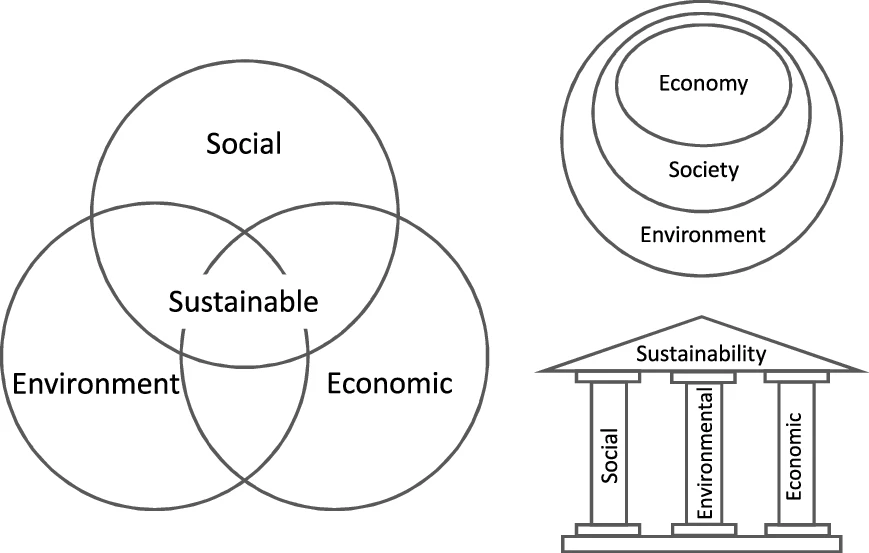
3.Support Local and Sustainable Businesses12695 votes
Choosing local restaurants, shops, and tour operators ensures that your spending benefits the community directly. It reduces the environmental costs associated with imported goods and promotes cultural preservation.
💡 Many destinations now offer eco-tours and local craft markets to help travelers support sustainable initiatives.
4.Reduce Air Travel Frequency1866 votes
Whenever possible, plan multi-destination trips to minimize flights, or choose destinations accessible by train or bus. This significantly lowers your carbon footprint, contributing to global climate change mitigation.
💡 Aviation accounts for approximately 2-3% of global greenhouse gas emissions, but its impact is disproportionate due to high per-passenger emissions.

5.Participate in Off-the-Beaten-Path Tours1693 votes
Engaging in tours that explore lesser-known neighborhoods or natural sites helps reduce overtourism in popular areas and provides authentic local experiences. These tours often support small local operators committed to sustainable practices.
💡 Supports community-based tourism and preserves local culture by diverting attention from crowded hotspots.
6.Learn and Respect Local Conservation Rules1539 votes
Familiarize yourself with and follow local environmental guidelines, such as protected area regulations and wildlife interactions. Respecting these rules aids in the preservation of ecosystems and biodiversity.
💡 Many conservation efforts rely heavily on responsible visitor behavior to succeed.

7.Opt for Zero-Waste Shopping1475 votes
Carrying reusable bags, bottles, and containers helps minimize plastic waste during travel. Many local markets and shops now offer zero-waste options, encouraging eco-conscious purchasing.
💡 Zero-waste movements started as a grassroots effort and now influence major brands to reduce packaging.
8.Participate in Local Conservation Volunteering902 votes
Engage with local NGOs to assist in conservation projects like habitat restoration, invasive species removal, or wildlife monitoring.
9.Install Solar Water Heaters769 votes
Use solar thermal systems for your hot water needs to cut down on energy consumption and reliance on fossil fuels. They are especially effective in sunny regions.
💡 Can reduce water heating energy bills by up to 80%
10.Participate in Community-Supported Agriculture (CSA)726 votes
Join local CSA programs to buy seasonal produce directly from farmers, reducing food miles and supporting sustainable agriculture. It fosters a closer connection to your local food system.
💡 Popular in North America and Europe since the 1980s
11.Embrace Permaculture Principles726 votes
Design your garden or farm using permaculture principles that mimic natural ecosystems, promoting biodiversity and sustainable resource use.
💡 Originated in Australia in the 1970s, gaining worldwide influence
12.Use Recycled Building Materials504 votes
Incorporate reclaimed wood, bricks, and other recycled materials into construction projects to minimize waste and reduce environmental impact.
13.Attend or Organize Skill-Sharing Workshops456 votes
Participate in local workshops focused on repairing electronics, sewing, gardening, or other sustainable skills to reduce dependency on new products.
14.Support Renewable Energy Initiatives Locally432 votes
Contribute to or advocate for community-based renewable energy projects like wind or small-scale hydroelectric systems to empower local clean energy production.
15.Implement Water-Efficient Landscaping260 votes
Use native plants, drought-tolerant species, and efficient irrigation techniques like drip systems to minimize water waste in gardens.


